

Refinishing a kitchen or bath cabinet usually means buying two very different things in the same weekend: a trim brush for crisp paint lines, and a fresh set of pulls or handles to dress up the doors you didn’t replace. Both jobs live or die on the small details. The wrong bristle sheds into wet enamel, the wrong pull length leaves a gap on a shallow drawer face, and the wrong finish clashes with a faucet you forgot to swap. This roundup covers eight solid options across both categories, mixing angled and fitch brushes for cutting in alongside arch-style and bar pulls in the finishes homeowners ask about most.
A Quick View Of The Lineup

Bates Trim Paint Brush Set, 3 pcs
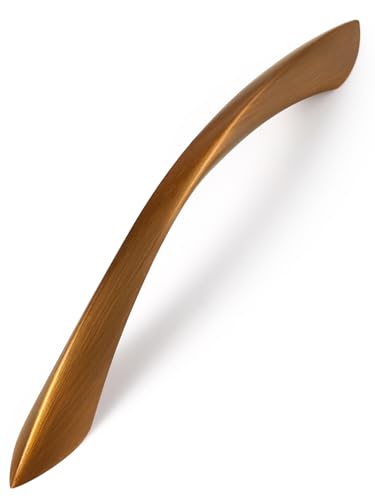
JIASENBAO 2 Pack Antique Brass Cabinet Pulls 5 Inch

JIASENBAO Black Cabinet Pulls 5 Inch, 5 Pack

JIASENBAO Brushed Gold Cabinet Pulls 5 Inch, 5 Pack

JIASENBAO 5 Pack Champagne Bronze Cabinet Pulls 5 Inch

Wooster Q3211-2 Shortcut Angle Sash, Pack of 3

GACDR Slant Lining Fitch Trim Brushes, 6 Pack

Ravinte Brushed Brass Solid Pulls, 5 Pack
Taking A Closer Look At The Options
The Bates three-piece set is the sort of bundle a first-time cabinet painter reaches for without overthinking it. You get three narrow widths (5/8″, 3/4″, and 1″), which lines up nicely with the rails, stiles, and inside corners of a standard face-frame cabinet. For most weekend jobs, that’s enough variety to cut in around panels, dab into the seam where a door meets the frame, and still lay down a slightly wider stroke on raised panels.
The handles are shaped for a relaxed grip, so longer sessions at the vanity or kitchen island feel less fatiguing. The bristle tips are fine enough to leave a clean edge where a cabinet face meets a wall, which matters more than people expect on repaints. Compared to the angled sash brush in pick 6, this set is a calmer, less aggressive tool: better for straight runs than for sharp inside corners.
What Makes Sense
- Three narrow widths cover most trim and edge work on face-frame cabinets.
- Comfortable handles help during long painting sessions at the kitchen island.
- Fine bristle tips leave a clean line where cabinet faces meet the wall.
- Good entry point for a first cabinet repaint without buying individual brushes.
Worth Noting
- Latex paint can stiffen the bristles if you forget to rinse promptly after a session.
- Not angled, so very tight inside corners take more patience than with a sash brush.
Who Should Grab It
Homeowners tackling their first cabinet repaint on a flat-panel or simple shaker door benefit most from this set.
Skip It When
Pick 6, the Wooster Shortcut Angle Sash pack, suits you better for jobs dominated by sharp inside corners and detailed sash work.
Antique brass sits in a sweet spot between polished and aged, and these JIASENBAO pulls lean into that warmer, slightly darker tone rather than the bright yellow brass of older fixtures. The arch-and-twist silhouette is the kind of detail that shows up in cottage and traditional kitchens, and a two-pack is enough to test one drawer and door before committing to a full room of 15 or 20 pulls.
The body is zinc alloy (a cast metal blend that holds crisp detail and resists corrosion under normal indoor humidity). You can run a soft microfiber across them during routine kitchen cleaning, and the finish should hold up well to mild soap and water. Compared to the matte black option in pick 3, the antique brass reads as a softer, more decorative choice that pairs nicely with cream or warm-white cabinetry.
Good Reasons To Consider
- Warm antique brass finish complements cream, oak, and traditional cabinetry.
- Two-pack lets you test the look on one drawer before a full swap.
- Zinc alloy body holds the twisted arch detail crisply.
- Wipes clean with a soft cloth during normal kitchen cleanup.
Points To Note
- Only two pulls per pack, so a full kitchen takes multiple orders.
- Not a match for cooler, very modern palettes where matte black or chrome would feel more current.
Whose Shelf It Belongs On
A homeowner doing a small bath vanity or a single accent cabinet where the warmer brass tone can shine.
Consider Something Else When
Pick 3, the JIASENBAO Matte Black pulls, fits better in a cooler, contemporary space where you want contrast against light stone counters.
Matte black hardware has held its grip on kitchen design for a while now, and this JIASENBAO five-pack delivers the same arch-twist silhouette as the brass options in a darker, more architectural tone. The 3-inch hole center (the distance between the two mounting screws) is the most common spacing on stock American cabinetry, which makes this set a near drop-in for many kitchens.
The zinc alloy body and matte coating are easy to maintain with a dry or barely damp cloth, and the finish tends to hide fingerprints better than polished chrome. For a galley or rental kitchen with white or pale gray cabinets, these pulls read as an instant upgrade without a full remodel. Compared to the antique brass in pick 2, the contrast is starker and more contemporary.
The Good Stuff
- Common 3-inch hole center fits most standard cabinet faces.
- Five-pull pack covers a small vanity or a section of upper cabinets.
- Matte finish hides fingerprints better than polished metal.
- Strong contrast against white, cream, and pale gray doors.
Trade Offs
- Matte black can show water spots if wiped with a very wet cloth, so a dry buff is usually the safer move.
Right Fit For
Anyone refreshing a contemporary kitchen with light cabinetry and a need for high-contrast hardware that does not fight with the rest of the design.
Reach For A Different Pick When
Pick 4, the JIASENBAO Brushed Gold pulls, suits you better for a warmer palette with brass faucets and warm wood tones.
Brushed gold hits a different note than antique brass: lighter, more modern, and slightly muted, so it does not shout in a small kitchen. The arch-twist body mirrors the silhouette of the matte black and antique brass versions in this list, which is helpful if you want a unified shape across multiple rooms with different finishes.
The five-pack gives you enough pulls to outfit a small vanity, a pantry door run, or a section of upper cabinets without buying more than you need. Like the other JIASENBAO pulls here, the body is zinc alloy with a finish that holds up to routine dry or lightly damp wiping. Compared to pick 2’s deeper antique brass tone, this is a brighter, more current take on warm metal.
Reasons It Performs
- Brushed gold reads softer and more modern than deeper antique brass.
- Matches the arch-twist shape of the matte black and champagne bronze sets for a unified look across rooms.
- Five-pack works well for a single vanity or upper-cabinet run.
- Pairs naturally with brass faucets and warm wood floors.
Some Limits To Know
- The lighter finish can show soap residue in a hard-water area if not dried after cleaning.
- Brushed gold clashes with cool stainless or chrome faucets, so plan the rest of the metal finishes accordingly.
Best Suited To
Homeowners going for a warm modern farmhouse or transitional look, especially where brass plumbing fixtures are already in place.
Not Your Match When
Pick 8, the Ravinte Brushed Brass straight bar pulls, fits better if you prefer a clean, modern bar shape over the twisted arch silhouette.
Champagne bronze is the finish homeowners tend to land on when they want warmth without going full gold. It lands somewhere between brushed gold and oil-rubbed bronze, which makes it one of the easier finishes to match with both warm and cool counters. The arch-twist silhouette stays consistent with the other JIASENBAO pulls on this list, so the shape language carries through.
One of the most useful things about this listing is the range of hole-center options. The pulls are commonly available in 3-inch, 3-3/4-inch, 5-inch, and 6.3-inch spacings, which means you can mix drawer and door sizes without the pulls looking mismatched in length or proportion. For a kitchen with tall pantry doors next to standard drawers, that flexibility is genuinely useful.
Why It Works Well
- Champagne bronze bridges warm and cool palettes more easily than yellow gold.
- Multiple hole-center options support mixed drawer and door sizes in one room.
- Five-pack covers a vanity or a smaller cabinet bank without excess.
- Consistent arch-twist shape across the JIASENBAO family keeps a unified look.
Points To Keep In Mind
- You will need to confirm the existing hole spacing on your cabinets before ordering to avoid drilling new holes.
- Only five pulls in the pack, so a large kitchen takes more than one order.
Who Will Love This
Homeowners with mixed-size cabinets who want one warm metal finish across doors, drawers, and pantry fronts without buying separate SKUs per size.
Look Elsewhere When
Pick 7, the GACDR Slant Lining Fitch Brushes, suits you better if your real priority this weekend is precision paint work rather than hardware swaps.
Wooster’s Shortcut has a long-standing reputation among painters, and the 2-inch angle sash in this three-pack is built for the tight, demanding work that brush sets in pick 1 simply cannot reach. The angled bristles let the toe of the brush (the slanted tip) ride along an inside corner and lay paint exactly where a straight brush would smear it onto the adjacent surface.
The handle is the short, flexible Shergrip style (a soft-grip rubber handle that bends slightly under pressure so you can feel the bristles). It gives you more finger control for detailed sash and cabinet door work than a long handle would. The synthetic bristle blend is formulated for all paints and water-based stains, so cabinet projects using latex or acrylic finishes fit right in. Compared to the Bates set in pick 1, this is a more precise, more deliberate tool.
The Helpful Details
- Angled sash design cuts sharp inside corners on cabinet face frames and door panels.
- Short Shergrip handle gives finer finger control for detail work.
- Synthetic bristle blend works with latex, acrylic, and water-based stains.
- Three-pack means you can rotate through a project while one brush soaks clean.
What To Weigh
- Short handle can feel cramped for users used to longer painter’s brushes.
- More precision than a beginner may need for a quick single-color repaint.
- Brass-plated ferrule can discolor if left soaking in water for long stretches.
Made For
Experienced DIYers and anyone doing detailed sash, panel, and cabinet door work where clean inside corners matter more than speed.
A Better Fit Elsewhere
Pick 1, the Bates three-piece set, suits a first-time painter who wants a calmer, more forgiving brush for a basic cabinet refresh.
Fitch brushes are the small, stiff-bristled tools that painters reach for when a normal trim brush is still too big. A “fitch” in painting parlance is a short, firm brush, often with natural or fine synthetic bristles, used for detail work on moldings, ornaments, and narrow edges. This GACDR six-pack gives you three sizes (0.5″, 0.75″, and 1″) with two of each, so you can rotate through detailed cuts without stopping to clean.
The firm, micro-tipped synthetic bristles hold their shape well, which is what you want when cutting along the bevel of a raised-panel cabinet door or tracing the edge of a glazed detail. The slanted lining shape means each brush has a sharp tip and a longer belly, giving control on one end and paint-carrying capacity on the other. Compared to the Bates trim set in pick 1, this is a sharper, more surgical tool.
Real-World Strengths
- Three small sizes handle raised-panel doors, glazing, and tight moldings.
- Two of each size keeps a clean brush in hand while the other soaks.
- Firm synthetic bristles hold a sharp line for edging and detail work.
- Useful for stenciling, craft projects, and small touch-ups on cabinet faces.
Honest Caveats
- Small size is wrong for covering large flat panels efficiently.
- Stiff bristles can leave brush marks in thinner latex paints if loaded too heavily.
Perfect Match For
Detail-oriented cabinet painters, hobbyists doing stenciled or glazed finishes, and homeowners with ornate door profiles that need a precise tool.
Where A Sibling Pick Shines
Pick 6, the Wooster Shortcut Angle Sash pack, fits better for fast, long-run trim work where a 2-inch sash covers more ground than a 1-inch fitch.
The Ravinte pulls break from the twisted-arch family on this list with a clean, straight bar shape that reads more contemporary and more minimal. Brushed brass is a softer, less yellow take on gold that pairs well with shaker and flat-panel doors, where a fussy silhouette would compete with the door’s own lines.
You can get these in 3-inch and 3-1/2-inch hole centers, which covers most standard cabinet faces on either side of the Atlantic. The solid bar form is also kinder to arthritic hands or anyone who struggles to grip a small knob, since the long edge gives a comfortable hold. Compared to the arch-twist picks above, this is the most “fits any kitchen” option in the hardware half of this roundup.
What Works In Its Favor
- Straight bar silhouette works on shaker, flat-panel, and slab doors alike.
- Two hole-center sizes handle most common cabinet layouts.
- Long pull length is easier to grip for users with limited hand strength.
- Brushed brass finish softens the warmth without going full yellow.
Possible Compromises
- Verify your existing hole center before ordering, since older cabinets sometimes drift from 3-inch standard.
- Minimalist look may feel plain in a more traditional or cottage-style kitchen.
The Right Fit
Homeowners with shaker or transitional cabinetry who want a versatile brass pull that does not dictate the rest of the room’s design language.
Swap It Out When
Pick 4, the JIASENBAO Brushed Gold arch-twist pulls, fits better if you want a more decorative, traditional silhouette in a warm gold tone.
Choosing The Right Brushes And Pulls For Cabinet Projects
The right tool depends on which side of the project you are starting on. Paint first, hardware second, or hardware first and paint after. For painting, the main split is between general trim brushes (straight, narrow, forgiving) and sash or fitch brushes (angled, stiffer, precise). Trim sets like the Bates three-piece cover rails, stiles, and inside corners without much fuss. Sash and fitch brushes like the Wooster and GACDR packs step in for door panels, glazing, and tight moldings where a straight brush would smear. For most homeowners doing a full repaint, a trim set plus one or two angled sash brushes covers everything from face frames to raised panels.
For hardware, the three numbers that drive the decision are total length, hole center, and finish. Total length affects how the pull looks on a wide drawer versus a narrow door. Hole center (the distance between the two mounting screws) has to match your existing drilled holes, or you will be filling and re-drilling. Finish has to coexist with your faucet, lighting, and any other metal in the room. Mixing two warm metals (brushed brass and antique brass, for example) usually works, but pairing warm and cool across the same surface can feel disjointed.
Key Considerations Across These Picks
Pitfalls Shoppers Hit
The most common cabinet hardware mistake is ordering before measuring. Pulls and knobs come in multiple hole-center sizes, and 3-inch, 3-3/4-inch, and 5-inch spacings can look almost identical from across the room. Tape-measure the distance from screw hole to screw hole on a drawer you already like, and match that exact number before you buy. For paint, the parallel mistake is using a wall brush (a wider, softer brush meant for rolling out large flat areas) on cabinet trim. Wall brushes lay down too much paint, lose their edge in corners, and leave the kind of visible brush marks that show up under cabinet lighting.
When Paying More Pays Off
Higher-tier brushes and pulls earn their keep through longevity. A better bristle blend holds its shape across more projects, sheds less into wet paint, and survives being cleaned properly rather than rinsed and tossed. In hardware, denser zinc alloy castings and thicker finishes tend to resist corrosion and wear better than thin-coated alternatives, especially on lower drawers that get touched dozens of times a day. For a single weekend project, mid-range options like most of the picks here are plenty. For a kitchen you plan to live with for a decade, leaning toward the denser, more refined picks in each category tends to pay off quietly over time.
Frequently Asked Questions
What size brush is best for painting cabinet doors and trim?
For face-frame cabinets, brushes in the 5/8″ to 1″ range cover rails, stiles, and inside corners without flooding the panels. For raised-panel doors, an angled 2-inch sash brush lays paint along the bevel cleanly, and a small fitch brush handles the deepest grooves.
How do I know which hole-center pull to order?
Measure the distance between the centers of the two existing screw holes on a drawer or door you like, in inches. That number is your hole center, and most cabinet pulls are sold in 3-inch or 3-3/2-inch spacings, with some longer options up to 5 or 6.3 inches.
Can I mix metal finishes on cabinets and faucets?
Yes, as long as the warm and cool tones are not fighting in the same visual line. A brushed brass cabinet pull next to a polished chrome faucet can feel disjointed, while brushed brass next to a champagne bronze faucet reads as intentional warmth.
Are synthetic bristle brushes okay for cabinet paint?
Synthetic bristle blends are well-suited to latex, acrylic, and water-based stains, which are the most common finishes on cabinet refinishing projects today. They hold their shape, do not absorb water the way natural bristles do, and clean up easily with soap and water.
How do I clean and store cabinet hardware pulls?
Wipe with a soft, dry or barely damp microfiber cloth during routine cleaning. Avoid harsh chemical sprays, abrasive pads, and prolonged soaking, especially on plated or coated finishes. A quick dry after cleaning prevents water spots on matte and brushed surfaces.
