

Your cabinets take more abuse than almost any surface in the home: steam, splatter, fingerprints, toddler chaos, and the slow grind of daily use. Picking the right clear coat or protective layer keeps wood sealed against moisture, lets natural grain show through, and makes cleanup painless. The picks below cover liquid finishes, peel-and-stick liners, and edge guards, so you can match the product to the job instead of forcing one tool to do everything.
A Fast Comparison Of The Options
Magicheap 18″ Cabinet Door Protector, 3/4″ Thick, 2 PCS
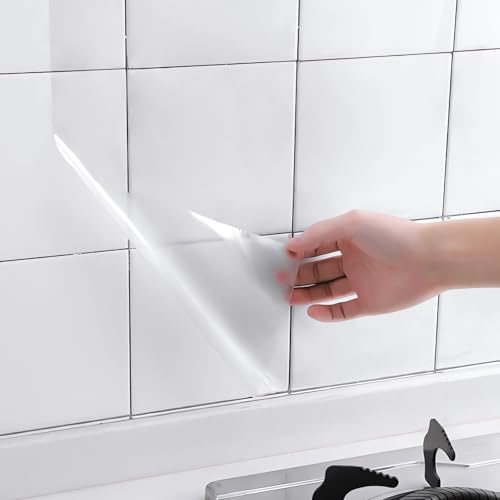
Ismoon Clear Contact Paper Roll 17.7″ x 118″

Ismoon Frosted Contact Paper 17.7″ x 118″

Minwax Fast Drying Polyurethane Clear Gloss, 1 Quart
Beyond Paint BP37 Multi Purpose Sealer
4our Kiddies 2 Pack 18″ Cabinet Door Edge Guard
4our Kiddies 4 Pack 18″ Cabinet Door Edge Guard

Varathane Triple Thick Polyurethane Satin Wood Finish
A Breakdown Of The Leading Choices
Sliding onto the top edge of a cabinet door is the entire installation process for this guard, which is the whole point. You measure once, line it up, trim the excess with scissors, and the clear sleeve snaps into place over a standard 3/4-inch-thick door. No adhesive means no residue left behind if you remove it during a future remodel.
For households where cabinet tops catch knuckles, toys, and countertop-appliance bumps every day, that forgiving edge matters. The transparent shell doesn’t fight your cabinet color, and the two-pack covers a sink base plus a pantry front in a single purchase. Compared to the liquid finishes later in this list, you give up stain-sealing and instead focus purely on impact cushioning.
Standout Benefits
- Snap-on design needs no tape, glue, or drying time, so renters can use it without losing a security deposit.
- Trim-to-fit length adapts to shorter vanity doors, closet edges, and even desk rims.
- Clear plastic blends into painted, stained, or laminated doors instead of yelling for attention.
- Cushions top edges from the kind of bumps that chip laminate and ding paint.
Things To Consider
- Coverage is limited to top edges, so it doesn’t protect the full door face from splatter or grease.
- Two pieces may run short in larger kitchens with many upper cabinets, so plan the layout before trimming.
Key Specs
Right Fit For
Parents of toddlers and pet owners who need quick edge protection without a single drop of adhesive or a single coat of finish.
Swap It Out When
Pick the 4our Kiddies 4-pack edge guard instead if your kitchen has many upper cabinets and you’d rather cover them in one purchase than trim two at a time.
This clear glossy liner works less like a wood finish and more like a shelf-saver, a drawer-bottom guardian, and a fridge-shelf protector all in one roll. Cut a panel, peel the backing, smooth it on, and the surface beneath stays visible through a glossy layer that shrugs off spilled cereal and leaked dish soap. The 118-inch length covers roughly 14.5 square feet of cabinet real estate.
Where the Magicheap guard covers an edge, this product guards an entire plane, so it complements that pick rather than competing with it. Apartment dwellers who want a temporary upgrade without touching a brush will appreciate the removable adhesive, which pulls off when the lease ends. The honest trade-off is that this isn’t a permanent protective coat for the wood itself, so cabinets still need a liquid clear finish if you want long-term moisture defense.
Where It Helps
- Cuts cleanly with scissors or a craft knife, so odd-sized shelves and curved drawer bottoms get full coverage.
- Glossy surface wipes clean with a damp cloth, which matters more than people expect in a working kitchen.
- Works on shelves, drawers, desktops, and even fridge interiors, extending value past cabinets alone.
Points To Note
- Adhesive can lift on textured or porous wood, so test a corner before committing a full shelf.
- Thin film shows every fingerprint and water spot unless you wipe it down regularly.
Made For
Renters and weekend organizers who want a clean shelf surface without sanding, painting, or waiting on a curing finish.
Consider Something Else When
Reach for the Minwax oil-based polyurethane if you want to seal the wood itself against moisture, not just lay a film over the top of a shelf.
When glass-front cabinet doors display dish stacks you’d rather not advertise, frosted film solves the problem without blocking the room’s light. The frosted texture blurs the contents into a soft gradient while still letting cabinet interiors glow when the kitchen lights flip on. At 17.7 by 118 inches, the roll covers several door inserts and leaves leftover for bathroom windows.
Unlike the clear contact paper earlier in the list, this one is intentionally translucent, so you trade full visibility for visual privacy. The film is BPA-free and wipes clean with a soft cloth, which matters because kitchen grease loves to land on glass doors. Pair it with a clear edge guard from the Magicheap or 4our Kiddies options, and the whole cabinet project feels coordinated.
A Few Strong Suits
- Frosted texture softens cabinet contents into a clean visual, no matter how mismatched your dishware is.
- Self-adhesive backing removes cleanly for tenants who need to return the space to its original look.
- Waterproof surface handles steam from nearby kettles and dishwashers without peeling at the edges.
Trade Offs
- Doesn’t suit collectors who actually want to show off heirloom dishware, since the frosting blurs everything behind it.
- Application takes patience, and bubbles can show up if you press too fast across a wide pane.
Best Suited To
People with glass-front cabinets who want privacy and softness without committing to a permanent film or new glass.
Look Elsewhere When
Choose the clear Ismoon contact paper if you want a fully transparent surface for open shelving and drawer interiors instead of frosted glass-front doors.
This is the workhorse liquid clear coat most people picture when they say “polyurethane for cabinets.” An oil-based clear gloss formula, designed for interior woodwork, furniture, doors, and cabinetry, that cures into a hard, scratch-resistant film. The “fast drying” name means you can stack two coats in a single day, which keeps a kitchen refacing project from dragging into a third weekend.
Compared to the contact papers earlier in this list, the trade is permanence. You brush it on raw or stained wood, and the finish becomes part of the surface, not a film laid over it. That permanence is also why the gloss sheen matters; the finish catches kitchen light, so a smooth application makes the difference between a professional result and visible brush marks.
Everyday Perks
- Tough, oil-based top coat stands up to scrubbing, splatter, and years of cabinet door use.
- Compatible with both finished and unfinished wood, so you can use it during a refresh or a full refacing.
- One-quart size covers a typical kitchen’s worth of doors and drawer fronts without running out mid-project.
Honest Caveats
- Oil-based formula has strong fumes and needs ventilation, which matters in tight galley kitchens.
- Brush marks and dust nibs are visible in high-gloss sheen, so prep and a clean work area pay off.
- Cleanup requires mineral spirits instead of water, adding a step to the wrap-up process.
Quick Facts
Who It Suits Best
Homeowners tackling a real cabinet refacing who want a long-lasting, scrubbable clear coat and have ventilation set up for an oil-based product.
Where Another Pick Suits Better
Pick the Varathane Triple Thick Polyurethane if you want a water-based formula with milder odor and fewer brush marks to chase.
Beyond Paint’s sealer positions itself between a clear coat and a topcoat, doubling as a finishing layer for cabinets, countertops, and indoor furniture. Water-based and self-leveling, it spreads out under its own weight to minimize brush strokes, which helps a lot when you’re coating wide drawer fronts and don’t want lap lines showing in raking light.
The catch is that this works best as part of the Beyond Paint system, so if you haven’t used the brand’s specialty paint first, the sealer has less to lock onto. For a kitchen refresh where you want one product covering cabinet doors, a wood countertop edge, and a kitchen island, the multi-purpose angle pulls real weight. Compared to the Minwax polyurethane, you trade oil-based hardness for easier water cleanup and lower odor.
Where It Delivers
- Water-based formula cleans up with soap and water, which simplifies a multi-surface kitchen project.
- Self-leveling technology smooths out minor brush marks before the coat sets, helpful on large flat panels.
- Works on cabinets, countertops, and furniture, so one can replaces several specialty cans in a small workshop.
Possible Compromises
- Designed to work hand-in-hand with the brand’s other coatings, so pairing it with random paints may not give the same result.
- Surface prep matters more than the label suggests, and skipping a scuff-sand can hurt adhesion.
Perfect Match For
DIYers refinishing cabinets alongside countertops or an island who want one versatile sealer to bridge multiple surfaces.
Not Your Match When
Pick the Minwax oil-based polyurethane instead if you only need a traditional wood clear coat without the multi-surface claims.
Two edge guards, a trim-and-snap install, and no adhesive: this is the small-space version of the Magicheap guard earlier in the list, with the same 18-inch length designed to fit standard 3/4-inch-thick cabinet doors. The taller profile is meant to lock more securely onto the edge so it stays put when little hands grab for countertop support or big dogs brush past the cabinetry.
For a small kitchen with one or two high-impact spots, the two-pack is plenty. You cover the corner cabinet above the trash can and the door right next to the range, and the rest of the kitchen stays open. If your kitchen sprawls, stepping up to the four-pack version makes more sense than trimming two guards across six doors.
What It Does Well
- Two-pack size keeps the project focused and the box small enough to store in a single kitchen drawer.
- Standard 18-inch length fits 3/4-inch-thick cabinet doors without forcing you to special-order parts.
- Universal fit works on drawer fronts, cabinet doors, stool rungs, and desk edges for a multi-room solution.
Worth Bearing In Mind
- Only two guards per box, so wider coverage means buying more than one set.
- Designed primarily for top edges, with limited reach around door corners without extra trimming.
Feature Snapshot
Whose Shelf It Belongs On
Small households, apartments, and galley kitchens where only one or two doors take the brunt of daily traffic.
Reach For A Different Pick When
Pick the Magicheap 2-pack edge guard if you’ve already measured and want a similar style, or the 4our Kiddies 4-pack for broader coverage.
The 4our Kiddies 4-pack is the bigger sibling of the 2-pack just reviewed, covering twice as many cabinet edges in one box. Same 18-inch length, same 3/4-inch door thickness target, same trim-and-snap install. The difference is scope: you can outfit an entire row of upper cabinets above the range, sink, and prep area without piecing together multiple sets.
If you rent, the no-adhesive design means the guards come off cleanly when you move, and the clear material stays neutral for landlord walkthroughs. For homeowners, the height profile covers enough of the top edge to take a real impact from a falling pot lid or a leaning step stool. Compared to the Magicheap guard earlier, the count is the main differentiator.
Key Advantages
- Four guards in a single box cover an entire wall of upper cabinets without leftover gaps.
- Standard 3/4-inch fit matches the most common cabinet door thickness in U.S. homes.
- Snap-on install avoids the sticky residue that can come with foam or adhesive edge bumpers.
Small Caveats
- Bulkier packaging takes more storage space, which matters in tight apartment closets.
- Clear plastic still picks up minor scuffs over time, especially on heavily used doors.
Built With In Mind
Renters and homeowners outfitting a full kitchen who want one purchase to cover most upper cabinet edges.
Where A Sibling Pick Shines
Choose the 4our Kiddies 2-pack instead if you only need a couple of guards and want to keep the box small.
Varathane’s Triple Thick formula is engineered to apply the equivalent of three traditional coats in a single pass, and a self-leveling finish means the surface smooths itself out as the product flows. For a kitchen cabinet refresh between weekends, the time savings matter more than a slightly thicker price tag. You set up the doors once, brush, walk away, and the project wraps before dinner.
Where the Minwax oil-based option trades strong fumes for hardness, the Varathane leans on a water-based formula with milder odor and easier cleanup. The satin sheen also hides minor surface imperfections better than the gloss finish reviewed earlier, which is a real plus on older cabinet doors that have picked up a few dings over the years. The honest trade-off is that one-coat coverage still rewards careful prep, so sanding and dust removal matter.
What Works In Its Favor
- Triple-thick build applies three coats’ worth of protection in a single pass.
- Self-leveling formula reduces visible brush marks, even on wide cabinet door panels.
- Water-based cleanup with soap and water speeds up the end-of-project routine.
- Satin sheen softens reflections, hiding minor surface flaws in older cabinet doors.
Points To Keep In Mind
- Coverage in a single pass requires steady brushwork; rushing leaves visible thin spots.
- Water-based formula is less chemical-resistant than oil-based polyurethanes, which matters near range hoods.
Key Product Details
Who Should Grab It
Busy DIYers who want a satin clear coat applied in a single session without the long cure time and fumes of an oil-based product.
Skip It When
Reach for the Minwax oil-based polyurethane if you want maximum scratch and chemical resistance over one-coat speed.
Choosing The Right Clear Coat For Your Cabinets
Match The Product To The Problem
A “clear finish” means different things depending on what you’re protecting against. A liquid polyurethane like Minwax or Varathane seals wood itself against moisture, grease, and scrub damage. A contact paper like Ismoon lays a removable film over shelves or glass inserts without touching the wood. An edge guard like Magicheap or 4our Kiddies absorbs physical impacts on door tops without sealing anything at all. The honest move is to pick the type that matches the actual wear pattern in your kitchen, not the one with the prettiest label.
Think About Reversibility
Renters and frequent redecorators should weigh how each product comes off. Self-adhesive films and clip-on guards remove cleanly with no residue, which matters at lease renewal. Liquid polyurethanes cure into the wood, so removing them later means sanding back to bare wood. If there’s a real chance you’ll change your mind in a year or two, a removable option is the safer pick.
Consider Sheen, Odor, And Cleanup
Gloss finishes make wood grain pop, but they also highlight every brush stroke. Satin finishes hide minor surface variation, useful on older doors. Oil-based formulas resist wear better but bring stronger fumes and require mineral spirits for cleanup. Water-based formulas go on with milder odor and clean up with soap and water, at a small cost in chemical resistance. Kitchen air quality during application is a real factor in tight floor plans.
Plan The Coverage Before You Buy
Measure the cabinet edges you actually want to protect before ordering an edge guard, and sketch the shelf area you want to cover before cutting a contact paper roll. Liquid finishes are usually sold by the quart, and one quart covers a typical kitchen’s worth of doors. Buying slightly more than you think you need beats running out mid-project and waiting on a second order while cabinet doors sit half-finished.
Mistakes Worth Dodging And When The Upgrade Pays Off
Common Slip Ups When Buying
The most common mistake is grabbing a clear coat without checking sheen and base, then discovering halfway through the project that the finish is shinier than expected or that the odor is stronger than your kitchen can handle. Test a scrap piece or a hidden cabinet back before committing to the whole kitchen. Skipping surface prep is the next biggest pitfall: liquid polyurethane needs a scuff-sanded, dust-free surface to bond properly, and contact paper needs a clean, dry substrate to lay flat.
Where The Extra Money Actually Goes
Higher-priced clear finishes tend to buy three things: faster cure times, tougher chemical resistance, and a self-leveling formula that hides brushwork. A premium one-coat product like Varathane Triple Thick can replace three traditional coats, which saves an entire weekend in a busy schedule. The upgrade is worth it when you have a tight timeline, a kitchen with poor ventilation, or cabinet doors that take heavy daily use. For a low-traffic pantry or a rental refresh, a budget contact paper or edge guard delivers most of the practical value at a fraction of the cost.
Frequently Asked Questions
What is the most durable clear finish for kitchen cabinets?
Oil-based polyurethane is widely considered the toughest clear coat for cabinetry because it cures into a hard, scratch-resistant film. Water-based options have improved a lot, but for maximum durability, an oil-based formula still sets the standard in most homes.
How many coats of clear finish do cabinets need?
Most traditional polyurethanes call for two to three thin coats, sanded lightly between layers. One-coat formulas are designed to replace that stack in a single pass, but they still benefit from a scuff-sanded surface and proper drying time.
Can you put a clear coat over painted cabinets?
Yes, a clear polyurethane can seal a painted cabinet surface and protect it from scuffs, grease, and cleaning. Light sanding and a clean surface help the clear coat bond, and a water-based formula is often the safer pick over fresh latex paint.
Are removable clear liners safe for cabinet interiors?
Most self-adhesive liners are designed to come off without residue, which makes them popular in rentals. On porous or unsealed wood, the adhesive can lift the surface, so test a small corner first before covering an entire interior.
How long does a clear cabinet finish last before it needs refinishing?
A well-applied polyurethane on a kitchen cabinet can last many years before showing wear, while contact papers and edge guards typically need replacement sooner in high-use kitchens. Touch-ups rather than full refinishing are often enough when the first signs of wear show up.
