

Drop ceilings earn their place in basements, offices, and converted garages because they hide ductwork, tame acoustics, and open the door to easy updates. Choosing the right combination of tiles, hooks, and grid parts, though, can stall a project fast. This lineup covers the practical picks that handle the most common installs, from light-touch refreshes to full grid builds.
A Closer Look At The Lineup

NACETURE Heavy Duty Drop Ceiling Hook Clips 100 Pack

Wakhow 10 Pairs Drop Ceiling Hooks for Hanging

Art3d 10-Pack Smooth Drop Ceiling Tiles 2×4 White

Art3d 12-Pack Smooth Drop Ceiling Tiles 2×2 White

Art3d 10-Pack Smooth Drop Ceiling Tiles 2×4 Black
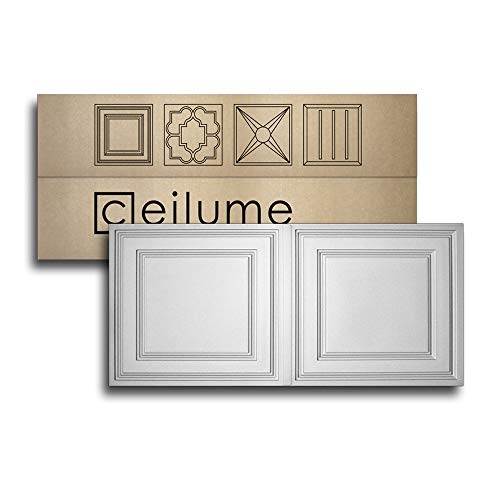
Ceilume Stratford 2×4 Drop Ceiling Tiles 12-Pack White

NACETURE Drop Ceiling Hook Set 30 Pieces

CeilingMAX 100 sq ft White Surface Mount Grid Kit
Taking A Closer Look At The Options
Classrooms and seasonal decorators tend to blow through drop ceiling clips faster than expected, which is where a 100-count pack of NACETURE spring steel hooks earns its keep. The clips are designed to slip over a standard T-bar grid, pinch into place, and hold small items without puncturing the tile. You won’t need any tools beyond steady fingers.
Each clip is rated for around 10 lbs, which covers paper lanterns, lightweight signage, and classroom borders. Because the wire is rust-resistant, the clips hold up in basements that see seasonal humidity shifts. For one-off events or busy teachers, the bulk count removes the math entirely.
Strong Points
- 100 clips per pack keeps a classroom, daycare, or party planner stocked for multiple setups
- No drilling or adhesive required, so tiles stay intact and reusable for future layouts
- Rustproof wire spring steel holds its shape after repeated installs
- 10 lb per clip limit covers most decorations, banners, and lightweight signage
Things To Consider
- 10 lb per clip is not enough for hanging plants, heavier lighting, or dense acoustic panels
- Spring steel can pinch fingers during fast installs, especially in tight ceiling corners
Right Fit For
Teachers, party hosts, and small office decorators who swap lightweight decor in and out of a suspended grid every season.
Consider Something Else When
You need to support heavier items like potted plants or pendant fixtures, where the Wakhow aluminum hooks handle the load with more confidence.
The Wakhow pair system steps in where lightweight clips run out of muscle. Each hook set is built from high-strength aluminum alloy that resists corrosion, and the sliding lock design tightens onto a T-bar without any drilling. The 20 lb load rating is the kind of margin that lets you hang trailing plants or heavier party decor without worrying.
Where the earlier NACETURE clips work best for paper and fabric, these suit real plants, woven baskets, and trade show signage. You can see the difference the moment you hold one. The alloy has a stiffer, more deliberate feel, and the locking mechanism clicks into place instead of pinching. In most offices and classrooms, that’s the upgrade worth making.
The Case For It
- Aluminum alloy build shrugs off rust in humid basements and pool-adjacent rooms
- 20 lb load rating per pair covers trailing plants, lanterns, and woven baskets
- Sliding lock design installs without tools and stays put once tensioned
Points To Keep In Mind
- Only 10 pairs per pack, so larger installs need multiple orders
- Locking mechanism can feel stiff on first install until you learn the slide angle
- Aluminum is strong but can dent if the T-bar is misaligned during install
Made For
Plant lovers, event stylists, and small business owners who want to dress up a T-bar grid without committing to permanent anchors.
Look Elsewhere When
You only need to hang a few banners or signs, in which case the NACETURE 100-pack gives you more flexibility per dollar.
Refreshing a tired ceiling usually comes down to whether the new tiles will actually drop into a standard 15/16″ T-bar grid without drama. The Art3d 2×4 smooth tiles fit that brief, with flexible PVC construction that cuts cleanly with a utility knife and lays flat without sagging. Each pack covers 80 square feet, which suits a mid-size basement or a long stretch of office ceiling.
The blank white finish is a quiet workhorse. It brightens a room without competing with wall color, and the washable surface handles the occasional kitchen splatter. You may find the smooth face too plain if you want texture, but for clean modern spaces it sits right.
The Practical Payoff
- Flexible PVC cuts with a utility knife, so odd corners and recessed lights are easy to work around
- Washable surface handles kitchen steam and basement humidity with a quick wipe-down
- 2×4 panel size speeds up large rooms since fewer seams means faster install
Honest Caveats
- Smooth white face shows dust more than textured tiles, especially near HVAC vents
- PVC can hold a static charge in dry winter rooms, attracting light debris
Key Product Details
Who It Suits Best
Homeowners refinishing a basement ceiling or small business owners modernizing a dated office grid who want a clean, low-fuss surface.
Swap It Out When
You want a darker aesthetic for a media room, where the matching Art3d 2×4 Black tiles deliver a similar install with a moodier finish.
Most older drop ceiling grids were framed for 2×2 tiles, which is where this 12-pack earns its place. The same flexible PVC and washable surface as the 2×4 version above, just sized for tighter rooms or grid patterns that already run square. At 48 square feet, this pack handles a small office, bathroom, or a corner of a larger basement.
The 2×2 format also makes it easier to swap a single damaged tile later. You can lift one out without disturbing its neighbors, which is a real advantage in shared spaces. If you have leftover 2×2 grid from a previous install, the clean white face blends in nicely.
Real Benefits
- 2×2 format matches legacy grids without reframing the ceiling
- Single-tile swaps are simple since each panel lifts out independently
- Washable white surface keeps shared spaces looking fresh with minimal effort
Where It May Fall Short
- Smaller panels mean more seams, so the install takes longer in large rooms
- 48 sq ft of coverage requires careful room measurement before ordering
Best Suited To
Anyone updating a smaller room with a pre-existing 2×2 grid who values easy future tile swaps over speed of install.
Where Another Pick Suits Better
Larger open basements benefit more from the 2×4 format of the Art3d 10-Pack Smooth Drop Ceiling Tiles, which reduces seams and speeds up the install.
Black ceiling tiles used to be a custom order. Now they show up as a simple swap-in, and the Art3d 2×4 black panels make the most of that shift. The same flexible PVC construction, the same easy utility knife cuts, just dressed in a matte black finish that absorbs light instead of bouncing it. Media rooms, podcast studios, and modern home theaters tend to use this trick to hide projector glare and give the room a finished, intentional look.
You should still plan for a dark ceiling to make the room feel smaller, so this works best in spaces with adequate height. In low basements with 7-foot ceilings, the visual weight can feel heavy. For taller rooms, the contrast against white walls reads sharp and modern.
What Stands Out
- Matte black finish reduces glare from projectors and recessed lighting
- Same flexible PVC and washable surface as the white versions in this lineup
- 2×4 size means fewer seams and a faster install for whole-room coverage
Smaller Limitations
- Dark finish shows dust and cobwebs more visibly than lighter tiles
- May make low-ceiling rooms feel visually smaller if used across the entire grid
Product Snapshot
Perfect Match For
Home theater builders, podcast studios, and anyone designing a media-friendly space where glare control is part of the brief.
Not Your Match When
You want a bright, airy feel, where the standard white Art3d 2×4 tiles keep the room feeling open and reflective.
The Ceilume Stratford is the tile you reach for when moisture is part of the room’s reality. Kitchens, bathrooms, and basement workshops can wreck traditional mineral fiber tiles within a season, while these vinyl panels are built to shrug off splashes, steam, and humidity. The 0.013-inch vinyl sheet is far lighter than what most people expect from a drop ceiling tile, which reduces stress on the grid over time.
A 12-pack covers 96 square feet, edging out the Art3d 2×4 white set by enough to handle a slightly larger room. The Class A fire rating also makes them a comfortable pick for code-conscious installs. For most homes, the trade-off is purely aesthetic. These lay flat and clean, but they won’t mimic the texture of traditional fiber tiles.
Where It Helps
- Waterproof vinyl construction handles steam, splashes, and basement humidity without warping
- Feather-light weight reduces grid stress over years of hanging
- 96 sq ft per 12-pack covers a full room with minimal leftover cuts
Trade Offs
- Thin vinyl can show shadows from overhead ductwork or wiring above the grid
- Smooth finish offers no acoustic dampening compared to textured fiber tiles
- Specialty brand typically costs more per square foot than the Art3d alternatives
Quick Facts
Whose Shelf It Belongs On
Homeowners with moisture-prone kitchens, basement gyms, or workshop ceilings who want a long-lasting, washable surface.
Skip It When
You need acoustic dampening for a home theater or shared workspace, where thicker textured tiles reduce echo more effectively.
Event decorators and classroom organizers often need two types of hanging hardware at once, and this 30-piece combo keeps both in one box. The set pairs 10 heavy-duty white hooks with 20 ceiling clips, giving you the option to anchor heavier decor to the T-bar and clip lighter trim along the grid edges. The two-piece lock system clicks together without any tools, which is a real time-saver when a venue gives you an hour to dress a room.
Wedding receptions, birthday parties, and trade show booths all benefit from having both formats on hand. The white finish blends with most grid systems so the hardware itself stays out of sight once decor is up.
What Makes Sense
- Combination of hooks and clips covers a range of decor weights in one order
- Two-piece lock system installs without tools, helpful for short setup windows
- White finish blends with most standard grid systems
Some Limits To Know
- 30 pieces is plenty for events but falls short for whole-room commercial installs
Built With In Mind
Event planners, school coordinators, and anyone setting up decor for a single occasion who needs both hook and clip formats ready to go.
Another Choice May Suit
Daily classroom use benefits more from the larger 100-pack of NACETURE clips, which keeps you stocked across many classroom rotations.
Most drop ceiling upgrades start with an existing grid, but fresh builds or surface-mount remodels need the bones first. The CeilingMAX kit supplies 100 square feet of grid hardware: top hangers, runners, cross tees, and wall brackets, all in white PVC vinyl. Because it’s a surface-mount system, you attach it directly to the joists or existing ceiling without dropping the room height dramatically.
The kit accepts any standard 2×2 or 2×4 tile, so you can pair it with the Art3d or Ceilume panels from earlier in the lineup. The snap-in design skips the wire-hanging and laser leveling that traditional T-bar grids demand. For weekend project builds, that lower skill ceiling matters as much as the price tag.
Features That Help
- Surface-mount design keeps ceiling height loss to a minimum, useful in basements with 7-foot clearance
- Snap-in grid assembly removes the need for wire ties or laser leveling
- Accepts any standard 2×2 or 2×4 tile for flexible finish choices
Practical Considerations
- PVC vinyl is rustproof but can flex more than metal grids on long spans
- 100 sq ft requires careful room math, with potential waste at corners and odd angles
Essential Details
Who Should Grab It
DIYers tackling a fresh basement build, garage workshop, or low-clearance room who want a grid system that installs without traditional wire hanging.
Reach For A Different Pick When
You’re only refreshing an existing ceiling, where picking the Art3d or Ceilume tiles alone avoids the cost of a full grid system.
What To Weigh Before Choosing Your Drop Ceiling Hardware
Match The Hardware To The Grid
T-bar grids (a metal framework shaped like an upside-down T that holds drop ceiling tiles) come in two main widths, 15/16″ and 1″. Hooks and clips often list their compatible width, and getting that wrong is the most common reason for a frustrating install. Measure the visible flat face of the grid before you order, and double-check the tile packaging too if you’re buying both. The Ceilume Stratford targets a 1″ T-bar, while most Art3d tiles fit a 15/16″ grid.
Tile Material Drives The Room
Mineral fiber tiles absorb sound but sag in moisture. PVC and vinyl tiles shrug off water but reflect it. In a basement gym or kitchen, that trade-off leans toward vinyl. In a home theater, the acoustic profile of fiber matters more. Ceilume’s PVC panels split the difference, with a thin vinyl face that handles humidity without losing the clean look.
Load Ratings Are Not Just Numbers
A 10 lb clip sounds generous until you load a string of lanterns, ribbon, and signage from one spot. Heavier decor, like hanging plants or pendant lamps, calls for aluminum alloy hooks in the 20 lb range like the Wakhow set. The honest read is to add up the weight you actually plan to hang, then add a buffer. Cheap hardware that fails mid-event costs more than a slightly pricier clip.
Grid Or No Grid
If your room has no existing T-bar, you need the bones before the tiles. The CeilingMAX surface-mount kit covers 100 sq ft of grid in a single order, and pairs naturally with any of the 2×2 or 2×4 tiles in this roundup. For rooms that already have a working grid, you save the kit cost and just refresh the tiles.
Picking Through The Noise On Drop Ceilings
Pitfalls Shoppers Hit
The single most common mistake is mixing tile and grid sizes without measuring first. A 2×2 tile won’t drop into a 2×4 grid, and a 1″ T-bar hook won’t sit right on a 15/16″ grid. The other trap is underestimating how much lighting, wiring, and ductwork sit above the ceiling, which can shadow thin tiles or block where you wanted to hang decor. Walk the room with a flashlight before you order, and note anything that will press against the new tile face.
When Paying More Pays Off
Higher-tier tile picks like the Ceilume Stratford cost more per square foot, but the upgrade pays off in three places: moisture resistance, weight on the grid, and code-friendly fire ratings. In a basement that floods once a year or a bathroom that runs heavy steam, that extra cost is amortized quickly through fewer tile replacements. The same logic applies to aluminum hooks versus basic clips. A few extra dollars per hook buys you a 20 lb rating and a corrosion-resistant build that holds up in real environments.
