

Microplastics are tiny plastic particles that can enter drinking water through several sources, so a basic taste-focused filter may not match your priorities. Your daily routine matters here, whether you fill a bottle before commuting, cook for a family, or want filtered water ready at a kitchen faucet. These options range from simple pitchers to countertop reverse-osmosis systems and bottleless dispensers, each with a different balance of capacity, setup, and upkeep.
The Essentials At A Glance

Alkanatur Water Filter Pitcher Magnesium

Culligan ZeroWater 10-Cup Pitcher

Clearly Filtered Water Filter Pitcher Replacement 1 Count
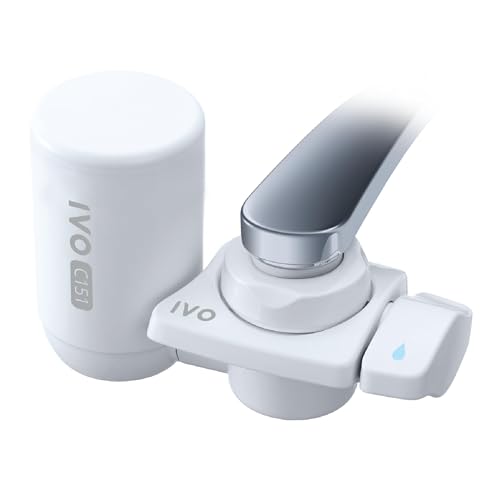
IVO Water Filter for Sink Faucet

AquaTru Glass Carafe Countertop Reverse Osmosis Water Filter

Brio Bottleless Water Cooler Dispenser 4-Stage Filters

DREO Reverse Osmosis Water Filter Countertop 3:1
What Each Pick Brings To The Table
For your everyday glass, bottle, and coffee maker refill, this Alkanatur pitcher keeps the routine simple. Its filtration is designed to address microplastics alongside fluoride, chlorine, PFAS, nitrates, and excess calcium while adding magnesium.
That mineral-focused angle separates it from the Culligan ZeroWater 10-Cup Pitcher, which emphasizes a multi-stage dissolved-solids approach. In most kitchens, a pitcher is easier to live with than a countertop system, though you will need refrigerator space and regular refills.
The Value In It
- Targets a broad range of tap-water concerns, including microplastics.
- Magnesium addition suits your preference for mineral-containing filtered water.
- Pitcher format moves easily from counter to refrigerator.
Things To Consider
- Manual filling can feel slow in a household that goes through several pitchers daily.
- You will need to clean the pitcher body regularly to keep stored water tasting fresh.
Feature Snapshot
Who It Suits Best
Your routine suits this pitcher when you want broad filtration in a familiar, no-installation format.
Where Another Pick Suits Better
AquaTru Glass Carafe Countertop Reverse Osmosis Water Filter suits your home better when you want a reverse-osmosis process and have permanent counter space.
A 10-cup capacity gives the Culligan ZeroWater pitcher a more family-oriented role than the smaller refill mindset of many countertop pitchers. Its five-stage filtration is built to reduce dissolved solids, plus lead, chlorine, mercury, PFAS, and related contaminants.
Dissolved solids are minerals and other particles dissolved in water, often measured through TDS, or total dissolved solids. Your household may appreciate the larger reservoir, but the honest read is that fuller pitchers take up meaningful refrigerator shelf room.
Noteworthy Benefits
- Ten-cup capacity helps reduce repeat filling during dinner prep.
- Five filtration stages provide more layers than a basic carbon pitcher.
- Addresses microplastic-related concerns alongside several dissolved contaminants.
- Pitcher handling remains approachable for apartments and rentals.
Worth Noting
- Regular filter changes remain part of ownership, especially with mineral-heavy tap water.
- The filled pitcher can be awkward for smaller refrigerator shelves.
- Filtration time may not suit a rushed morning refill.
Made For
Your shared kitchen benefits most when several people need filtered drinking water without installing a faucet unit.
Consider Something Else When
IVO Water Filter for Sink Faucet suits your routine more when you want filtered water directly from a compatible kitchen faucet.
This option is a replacement filter, not a complete pitcher, so it makes sense only for your compatible Clearly Filtered setup. The listed 100-gallon life is useful for planning your maintenance calendar rather than guessing after every few weeks.
Its stated reduction scope includes microplastics, fluoride, lead, PFAS, arsenic, chlorine, and BPA. Compared with the Alkanatur Water Filter Pitcher Magnesium, this refill centers on maintaining an existing system rather than changing your pitcher format.
What Works In Its Favor
- Replacement-only format avoids replacing a pitcher body you already own.
- 100-gallon stated life gives your household a clear change interval.
- Broad listed reduction scope covers many common tap-water concerns.
- BPA-free construction supports a plastic-conscious pitcher setup.
- Small refill storage is easier than keeping an extra appliance.
Trade Offs
- Compatibility is limited to the intended Clearly Filtered pitcher system.
Key Specs
Right Fit For
Your existing compatible pitcher becomes the right setup for you when long-life replacement filters are your priority.
Not Your Match When
DREO Reverse Osmosis Water Filter Countertop 3:1 suits your home more when you need a complete countertop system with water-quality monitoring.
IVO takes a different route from the pitchers above by attaching at your sink, putting filtered water at the turn of a faucet. Its four-stage microfiltration system targets chlorine, rust, sediment, and microscopic contaminants while retaining minerals.
Microfiltration uses a fine physical barrier to catch small particles as water passes through. Your faucet must have a removable aerator and match the listed fit requirements, so checking that detail before choosing is non-negotiable.
Where It Helps
- Direct faucet access makes filling pots and bottles less repetitive.
- Four filtration stages address sediment and chlorine-related taste concerns.
Room For Improvement
- It does not fit every faucet style, particularly non-removable aerator designs.
- Owners commonly need to clean the exterior around the faucet connection.
- TDS readings may remain unchanged because the system retains minerals.
- Your sink area gains a visible attachment.
Quick Facts
Best Suited To
Your kitchen suits this faucet-mounted option when you regularly fill cooking pots, cups, and reusable bottles at the sink.
Look Elsewhere When
Culligan ZeroWater 10-Cup Pitcher suits you more when your faucet has no removable aerator or your rental restricts attachments.
Reverse osmosis, often shortened to RO, pushes water through a very fine membrane to reduce dissolved material. AquaTru brings that process to your counter with four filtration stages and a glass carafe, avoiding permanent plumbing work.
Its stated filtration scope includes microplastics, fluoride, chromium-6, arsenic, lead, PFOA, and PFOS. Compared with IVO Water Filter for Sink Faucet, this setup demands counter space but avoids faucet-fit questions.
Useful Touches
- Countertop format avoids drilling or modifying your plumbing.
- Four-stage RO filtration reaches beyond a standard pitcher approach.
- Glass carafe reduces reliance on a plastic storage vessel.
- Useful for your home where faucet mounting is impractical.
- Listed reduction scope includes several difficult-to-address contaminants.
- Standard outlet operation supports flexible placement near a counter.
Points To Note
- Counter space and access to an outlet are required.
- You will need to empty and refill reservoirs as part of the routine.
Technical Sheet
Who Will Love This
Your household will appreciate this system when countertop space is available and broader RO filtration matters more than compact storage.
A Better Fit Elsewhere
Brio Bottleless Water Cooler Dispenser 4-Stage Filters suits your shared workspace better when you need hot, room-temperature, and cold water on demand.
Brio is built around volume and convenience rather than a small-batch pitcher routine. Its bottleless dispenser uses sediment, granular carbon, a 0.1-micron ultrafiltration membrane, and post-carbon treatment, then dispenses hot, room-temperature, or cold water.
That makes sense for your busy kitchen, studio, or shared home where tea, chilled drinks, and filled bottles happen throughout the day. Compared with AquaTru Glass Carafe Countertop Reverse Osmosis Water Filter, this is a larger commitment in floor space and setup.
The Good Stuff
- Three temperature settings support drinks, cooking, and everyday hydration.
- Four treatment stages cover sediment, taste, odor, and fine-particle filtration.
- 0.1-micron ultrafiltration captures very small material through a fine membrane.
- Child safety lock adds a thoughtful control for the hot-water setting.
Softer Spots
- Its dispenser form needs considerably more room than a pitcher or faucet filter.
- Filter replacement and cooler cleaning become scheduled household tasks.
- Installation suits a settled location better than a frequently moved setup.
Who Should Grab It
Your high-use shared space benefits most when filtered water at several temperatures saves repeated kettle and refrigerator trips.
Another Choice May Suit
Alkanatur Water Filter Pitcher Magnesium suits your smaller household more when you need a portable setup with minimal dedicated space.
DREO puts more visibility into your filtration routine than the pitcher choices, with live TDS and filter-life monitoring plus two autofill pitchers. Its 3:1 pure-to-drain ratio means three parts filtered water are produced for each part directed away during operation.
The self-cleaning feature may appeal to you when low-touch maintenance matters, though reservoirs still need regular attention. Compared with AquaTru Glass Carafe Countertop Reverse Osmosis Water Filter, DREO leans harder into display data and automatic pitcher filling.
The Upside
- Live TDS display gives you a quick view of dissolved-solids readings.
- Filter-life reminders remove much of the guesswork around maintenance timing.
- Two autofill pitchers help keep filtered water ready for meals or bottles.
Small Caveats
- The countertop footprint needs a stable, outlet-accessible location.
Feature Rundown
Built With In Mind
Your routine suits DREO when filter status, TDS data, and ready-filled pitchers matter as much as countertop RO filtration.
Reach For A Different Pick When
IVO Water Filter for Sink Faucet suits you more when your priority is instant water at a compatible sink without a counter appliance.
What Matters Before Choosing a Microplastic Water Filter
Filtration Method and Listed Targets
Your first step is matching the filter method to your actual concerns. Pitchers are low-commitment and portable, faucet units give you water at the sink, while reverse-osmosis systems use a membrane process for a wider dissolved-contaminant focus. Check that the listing specifically identifies microplastics rather than assuming every water filter covers them.
Capacity and Daily Routine
A single-person apartment can work well with a pitcher, especially when refrigerator storage is available. A family kitchen may need a 10-cup reservoir, a dispenser, or two countertop pitchers to avoid frequent refilling. Your cooking habits matter too, because filling a large pot through a pitcher gets old quickly.
Installation and Available Space
Faucet filters require a compatible removable aerator, while countertop RO systems need a stable counter and an outlet. Bottleless dispensers suit a more permanent location and take much more room than a pitcher. Your rental rules and sink layout can narrow the field fast.
Replacement Planning
Every system needs filter changes, so consider where you will store refills and how you prefer to track them. A display reminder, such as the DREO system provides, can help with consistency. Longer stated filter life can reduce replacement frequency, but your tap-water conditions affect real-world use.
Details That Can Change Your Choice
Common Shopping Slip Ups
Do not choose on capacity alone. Your filter must list microplastics among its intended targets, and faucet models need a compatible sink before they make sense.
Where The Extra Money Goes
Higher-tier countertop systems often add multi-stage treatment, reverse osmosis, monitoring displays, or glass storage. Your upgrade makes sense when your household uses enough filtered water to justify the space and added upkeep.
Frequently Asked Questions
Can pitcher filters address microplastics?
Some pitcher filters list microplastics among their reduction targets. Your product page should state that capability clearly.
What is reverse osmosis?
Reverse osmosis uses pressure to move water through a fine membrane. Your countertop RO system also needs space for reservoirs and access to power.
Does a faucet filter fit every kitchen sink?
No, faucet-mounted units have fit requirements. Your faucet generally needs a removable aerator for models such as IVO.
Why does TDS matter on a water filter display?
TDS measures dissolved solids in water. Your reading does not identify every individual contaminant or filtration result.
How often should your filter be changed?
Your replacement timing depends on the model and water use. Follow the listed filter-life guidance and any indicator your system provides.
The Takeaway
Your right choice depends on how you use water every day. Choose Alkanatur or Culligan for familiar pitcher convenience, IVO for sink access, AquaTru or DREO for countertop RO, and Brio for a high-use shared space. A filter that fits your kitchen and maintenance habits is far more likely to stay part of your routine.
