

Whole-home HVAC filtration can mean very different things: a filter box for a fresh-air intake, an in-duct UV-C light, or a scent pad placed at the return filter. Your right choice depends on duct diameter, power access, and whether you want particle capture, duct-mounted light, or a light fragrance during heating and cooling cycles. This guide suits homeowners planning a duct upgrade, maintaining a workshop ventilation setup, or refreshing a shared living space without adding a bulky room unit.
A Snapshot Of The Selections
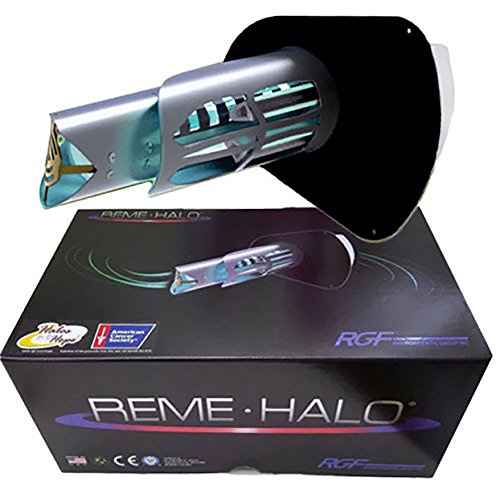
RGF Reme Halo 24 Volt In-Duct Air Purifier

AC Infinity Inline Filter Box 10 Inch

AC Infinity Inline Filter Box 4 Inch
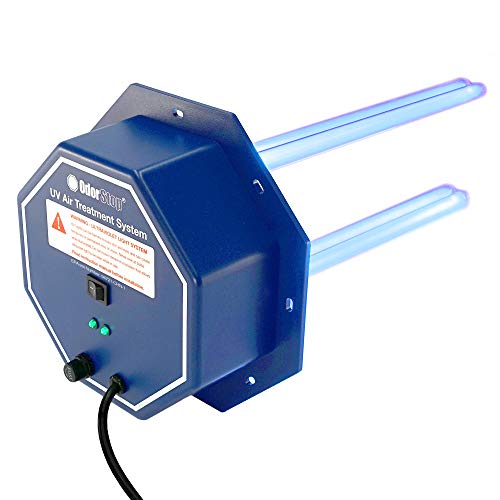
OdorStop OS72PRO UV Air Purifier 72W

BAIMNOCM UV-C Lamp for Whole House 90W

Ash Harbor Tropical Spa Air Freshener 4 Pack

Qualirey 26W HVAC UV Light
What Each Pick Brings To The Table
For a low-voltage HVAC setup, the RGF Reme Halo uses a 24-volt wired transformer rather than a standard plug-in format. Its ionizer is an in-duct device that releases electrically charged ions into moving air, making it a more involved system addition than a standard furnace filter.
The no-tool cell replacement design matters during routine upkeep, especially in a utility room where duct access is awkward. You may find this model suits a planned HVAC upgrade more than a quick weekend add-on, since proper placement and electrical compatibility deserve attention first.
Everyday Wins
- 24-volt design suits compatible low-voltage HVAC layouts.
- Tool-free cell changes can shorten recurring maintenance.
- Enhanced catalyst includes zinc.
- In-duct placement keeps equipment out of living areas.
- Useful for homes already planning professional HVAC work.
Things To Consider
- Installation requires compatible wiring and duct access.
- Owners commonly need to plan for periodic cell replacement.
Who It Suits Best
You get the most from this option with a compatible 24-volt HVAC layout and a preference for an installed ionizer rather than a passive filter box.
Where Another Pick Suits Better
AC Infinity Inline Filter Box 10 Inch suits you better when your priority is a physical filter housing for a 10-inch ventilation run.
AC Infinity takes a more mechanical route than the RGF Reme Halo: this 10-inch box holds a physical high-efficacy filter inside an inline duct path. The 1 mm cold-rolled steel body and aluminum flanges suit larger fresh-air intake or ventilation builds that need a durable connection point.
A neoprene gasket, meaning a flexible rubber sealing layer, helps close the access door around the filter chamber. For a garage workshop or a larger ducted grow-space setup, that detail may help keep dust from bypassing the filter at the door.
Where It Helps
- 10-inch format matches larger inline duct fans.
- Cold-rolled steel housing supports long-term fixed installation.
- Slide-lock door makes filter access less disruptive.
- Included filter captures dust, dirt, lint, and odors.
Worth Noting
- You need a 10-inch duct path and matching fan equipment.
- Filter changes remain a recurring ownership task.
- Steel construction adds bulk compared with the 4-inch version.
Feature Snapshot
Made For
You benefit most from this box in a 10-inch inline intake system where hands-on filter access matters.
Consider Something Else When
AC Infinity Inline Filter Box 4 Inch makes more sense for you with compact 4-inch ductwork and a smaller inline fan.
This smaller AC Infinity housing follows the same practical concept as the 10-inch version, but fits 4-inch inline duct fans. That narrower sizing suits closet ventilation, compact workshop intakes, and smaller fresh-air runs where the larger box would be unnecessary.
The steel enclosure, aluminum flanges, and sealed slide-lock access door remain useful details at this scale. In a tight mechanical area, you may appreciate the filter chamber access, though you still need enough clearance to open the door and remove the filter.
A Favorable Mix
- Fits 4-inch inline fan systems.
- Included filter helps collect lint and dust entering a compact run.
- Aluminum flanges support a direct duct connection.
Trade Offs
- Not suited to standard large central-system ducts.
- Access-door clearance needs planning in cramped locations.
Quick Facts
Right Fit For
You will appreciate this format in a compact 4-inch intake or ventilation project where physical particle capture is the goal.
Not Your Match When
OdorStop OS72PRO UV Air Purifier 72W suits you more when your duct plan has 120-volt power and room for two long bulbs.
The OS72PRO adds an airflow sensor, so its dual UV-C bulbs operate alongside active HVAC airflow rather than remaining on continuously. UV-C refers to ultraviolet light in a short-wavelength band, and this system uses two 36-watt, 16-inch bulbs at 254 nm.
Compared with AC Infinity’s filter boxes, this unit does not provide a replaceable media filter for catching lint or dust. The honest read is that it suits you only with accessible duct space, a nearby 120-volt outlet, and comfort with bulb-change maintenance.
Positive Points
- Airflow sensor limits operation to HVAC run periods.
- Two 16-inch bulbs provide broad duct-mounted coverage.
- LED indicators let you check system and bulb status visually.
- Six-foot cord can simplify reaching a nearby outlet.
- Compact 8 by 8 by 3-inch housing conserves service-room space.
- Useful for powered duct systems needing a sensor-based format.
Minor Gripes
- Bulbs need periodic replacement as part of normal ownership.
Core Details
Best Suited To
You get the strongest fit with a powered central HVAC duct, clear service access, and interest in the airflow-sensing control.
Look Elsewhere When
RGF Reme Halo 24 Volt In-Duct Air Purifier fits you better in a 24-volt wired setup without a standard 120-volt connection nearby.
BAIMNOCM approaches installation with a supplied cutting template and a six-foot cord, making it geared toward a hands-on duct project. Unlike the OdorStop OS72PRO, the provided details do not identify an airflow sensor, so you should consider how its plug-in operation suits your HVAC routine.
The lamp mounts through two openings in ductwork, which requires accurate measuring and enough clear space inside the duct. For a homeowner already comfortable working around a furnace plenum, the installation path appears direct, but a professional can be the calmer route for unfamiliar metal duct work.
Bright Spots
- Template helps position the two required duct openings.
- Six-foot cord offers placement flexibility near an outlet.
- Designed for mounting on HVAC ducts or furnace sections.
Room For Improvement
- Cutting ductwork is less convenient than changing a filter.
- You need to keep the lamp area accessible for future upkeep.
- Provided details do not list a sensor-based run control.
- Internal duct clearance needs checking before installation.
Technical Sheet
Who Will Love This
You may prefer this setup for a planned duct modification where a supplied placement template feels helpful.
A Better Fit Elsewhere
Ash Harbor Tropical Spa Air Freshener 4 Pack fits you better for a no-cut option during a routine filter replacement.
Ash Harbor’s four-pack is the lightest-touch option here because the scented pads attach directly to an HVAC filter. You avoid wiring, bulb access, and duct cutting, which makes this a natural companion to the filter-change routine in an apartment, office, or family home.
Unlike the AC Infinity boxes, these pads do not add a filter housing or capture particulates. Scent preference is personal, so a tropical fragrance may feel pleasant in a shared hallway yet prove too noticeable in a small bedroom.
Useful Highlights
- Four pads support repeated filter-change cycles.
- Filter-mounted placement avoids changes to ductwork.
Points To Note
- Fragrance strength can feel different from room to room.
- You need to replace the pad as its scent fades.
- It does not replace a physical filter or inline device.
Who Should Grab It
You get a sensible fit with a standard HVAC filter routine and a desire for a tropical scent without installing equipment.
Skip It When
AC Infinity Inline Filter Box 4 Inch suits you more when your compact duct run needs a dedicated filter chamber.
The Qualirey 26W HVAC UV Light is listed for 1 to 5-ton systems and uses dual UVC bulbs emitting at 253.7 nm. Its compatibility note references D200, R18, R18D, and R2000 lamp formats, which may make it relevant to you during a like-for-like equipment replacement.
Compared with the higher-output OdorStop OS72PRO, this 26-watt model is a more modest duct-mounted configuration. Confirm your existing lamp type, duct dimensions, and 110-volt access before choosing it, since fit matters more here than a generic whole-house label.
What Helps Most
- Listed compatibility supports several named HVAC lamp formats.
- Dual UVC bulb layout suits in-duct placement.
- 1 to 5-ton compatibility covers many residential system sizes.
- Can mount on HVAC ductwork or furnace areas.
Small Caveats
- You need to verify compatibility before replacing an existing lamp.
- Bulb servicing requires continued access to the installation point.
Feature Breakdown
Built With In Mind
You are the right fit for this model with a 1 to 5-ton system and a confirmed match to the listed D200 or R-series lamp platforms.
Another Choice May Suit
OdorStop OS72PRO UV Air Purifier 72W suits you more when an airflow sensor and 16-inch bulbs are priorities.
Choosing Whole Home Hvac Filtrations for Your Duct Layout
Start With Your Existing Duct Size
Match an inline filter box to the duct and fan diameter already in your setup. The AC Infinity 4-inch and 10-inch boxes serve very different ventilation paths, and an incorrect size can create awkward adapters, lost space, or poor access for filter changes.
Separate Particle Capture From Duct-Mounted Light
A media filter physically collects material such as lint and dust as air passes through it. An in-duct UV-C unit is a light-based installation, so it does not replace the furnace filter or an inline filter box. Your system may need one approach, or both in separate positions.
Plan Future Service Access
A filter box needs room for its door to open and for the filter to slide out. UV-C systems need reachable bulbs and appropriate power access, while a scent pad only needs access during regular filter changes. Busy utility rooms benefit from choosing the option with the least disruptive maintenance.
Match Complexity to Your Project
Ash Harbor pads work for a simple refresh, while the RGF, OdorStop, BAIMNOCM, and Qualirey options require duct placement and electrical planning. A duct-mounted system can be worthwhile for a long-term HVAC project, but you should not force one into a cramped or inaccessible installation area.
Details That Prevent Costly Missteps
Common Shopping Slip Ups
Do not assume every whole-home option catches particles. Filter boxes use replaceable media, while UV-C systems and scent pads serve different roles. Check duct diameter, power type, and service clearance before choosing.
Where The Extra Money Goes
Higher-tier systems often add heavier steel housings, sealed access panels, airflow sensors, or specialized low-voltage compatibility. You benefit from those extras when your HVAC layout can use them, not merely because the feature list is longer.
Frequently Asked Questions
What does whole-home HVAC filtration mean?
You can use the term for equipment installed at or within your HVAC duct system. That can include filter boxes, duct-mounted UV-C units, and filter-attached scent pads.
Do inline filter boxes replace a furnace filter?
No, an inline box serves the duct path where you install it. Your central system may still use its own furnace or return-air filter.
What size inline filter box do you need?
You need a box that matches the diameter of your duct and inline fan. The 4-inch and 10-inch AC Infinity models are not interchangeable.
Do UV-C duct lights need maintenance?
Yes, duct-mounted units need accessible placement for bulb servicing. Your installation also needs suitable power and enough interior duct clearance.
Can scent pads filter dust from HVAC air?
No, scent pads add fragrance near the filter. Your HVAC filter remains responsible for physical particle capture.
Closing Remarks
Your strongest choice starts with the job you need done. Choose AC Infinity for dedicated inline filtration, consider the duct-mounted light options for a planned HVAC installation, or keep things simple with Ash Harbor scent pads during routine filter changes. A careful match to your ducts and service access will make ownership far easier.
